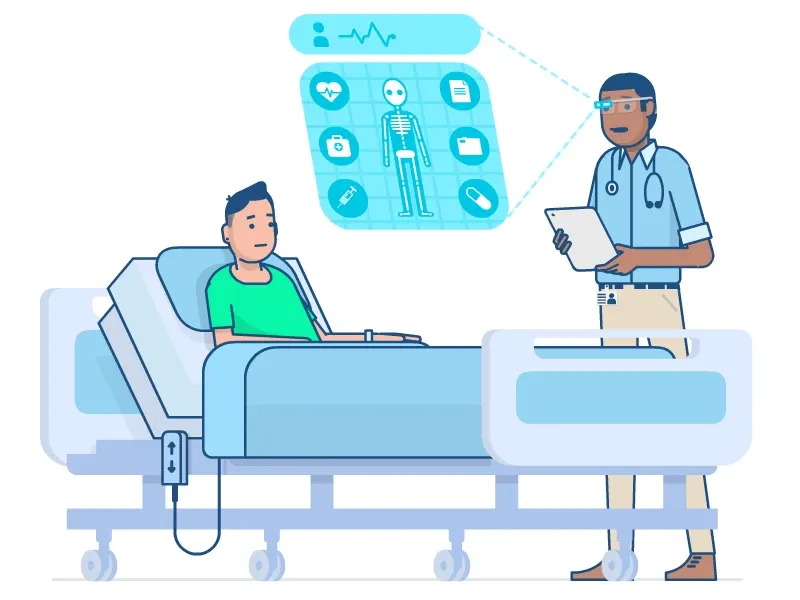
Data is becoming an increasingly valuable commodity, you know it. Technical data, personal records, experimental measurements; it all contributes to the burgeoning data economy. In fact, data trading is now more valuable than ever, as it’s the lifeblood of innovation. From enhancing product development to revolutionising business strategies, data is the foundation for extracting actionable insights, driving informed decisions, and developing groundbreaking solutions.
In healthcare, data is crucial for identifying patterns in patient outcomes, streamlining operations, and even predicting potential epidemics before they spread.
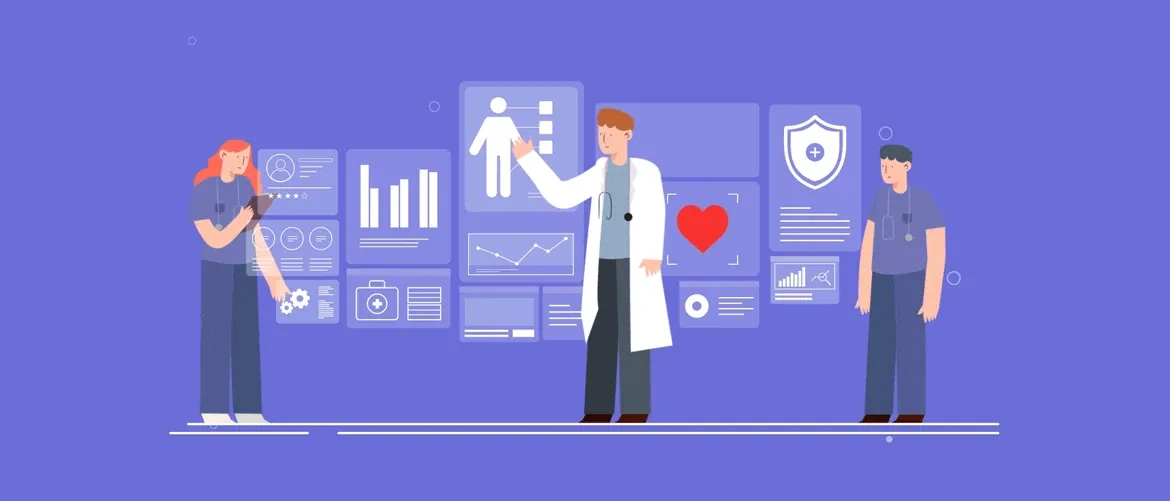
However, collecting data is only half the battle. The real magic happens when we turn this raw information into actionable insights. This is where AI and advanced analytics come into play. AI-aided tools are becoming increasingly sophisticated in analysing data, mining it for patterns, and visualising complex information in ways that were previously unimaginable. One of the most promising methodologies in this space is process mining.
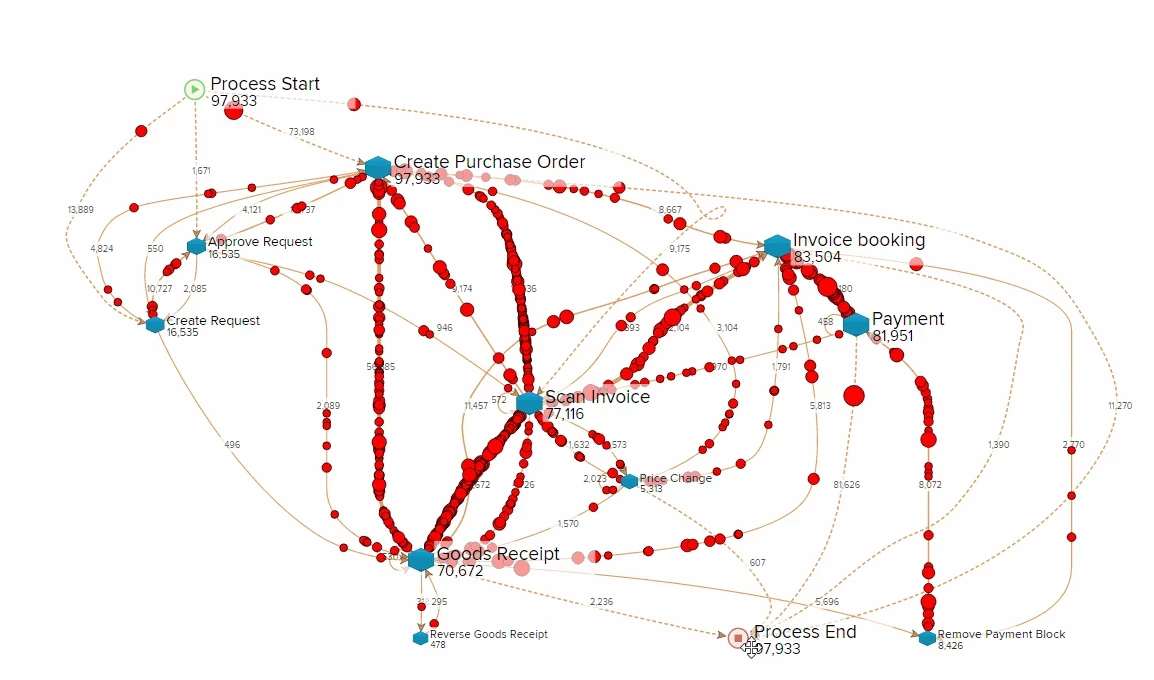
Process mining is not just a tool, but a comprehensive methodology used to analyse business processes based on data from event logs. It helps organisations visualise how their processes are actually being carried out, identify inefficiencies, and optimise workflows. In industries like manufacturing and finance, process mining has already proven transformative, enabling companies to optimise operations and reduce costs significantly.
However, its adoption in healthcare has been slower due to several challenges. Healthcare processes are inherently more complex and variable than those in other industries. Each patient’s journey through the healthcare system is unique, influenced by numerous factors like clinical conditions, provider practices, and even patient preferences. This variability makes it challenging to create standardised workflows suitable for process mining. Additionally, healthcare data is often unstructured, scattered across different systems, and subject to strict privacy regulations, complicating the data integration needed for effective process mining.
Despite these hurdles, the potential benefits are enormous. This is where regulatory frameworks come into play. Regulation is a galaxy of evolving systems: complex, complicated, and still somehow open to interpretation. Let’s explore three main frameworks that guide how we gather, interpret, and apply data, each adding a unique layer to the healthcare data landscape.
- FDA human factors guidance
- IEC 62366-1
- ICH E6 Good Clinical Practice (GCP)
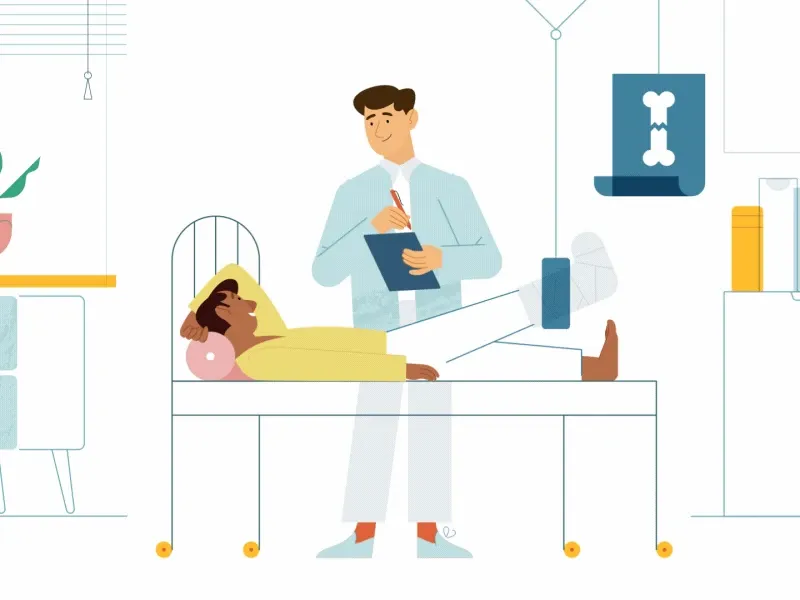
The FDA’s human factors guidance asks manufacturers to identify use-related hazards and to show, through formative evaluations and a final validation with representative users, that intended users can use a device safely and effectively. Much of this evidence is gathered in structured test environments that simulate real use. IEC 62366-1 complements this with an international process standard for usability engineering. It does not certify that a device is intuitive; it requires manufacturers to analyse, specify, design and evaluate usability as it relates to safety.
ICH E6 Good Clinical Practice governs something different: how clinical trials involving human participants are designed, conducted and reported, so that participants’ rights, safety and wellbeing are protected and the results can be trusted. It’s not just about numbers; it’s about the people behind them. GCP protects participants; on its own, it does not make their experience part of design decisions. That step is still ours to take.
Together, these three documents, a guidance, a standard and a guideline, each with its own scope, span from structured test environments to clinical research with patients. None of them, alone, is human-centred design. Read together, they point in its direction: it’s not just about what’s measurable but also about what’s meaningful.

Data is Only Part of the Picture: The Visceral Reality of Healthcare Design
AI and process mining can tell us a lot, but there’s no substitute for getting your hands dirty, sometimes quite literally. I remember the first time I had the opportunity, during the design of a surgical instrument, to participate in cadaver testing.
For those who aren’t familiar, cadaver testing is exactly what it sounds like: using donated human bodies to simulate real surgical scenarios and evaluate the usability, safety, and effectiveness of medical devices, procedures and techniques.
This experience is visceral in every sense of the word.
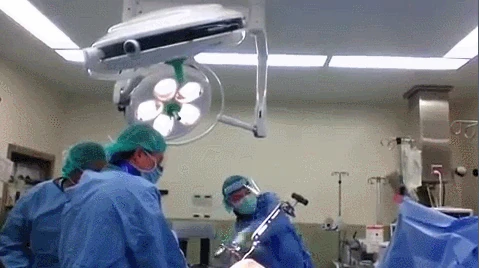
It’s not just about understanding the technical aspects of the procedure; it’s about being fully immersed in the surgical environment. You’re hit with all the sensory inputs at once: the sounds of instruments clattering, the distinct smell of the room, the pressure of time, the need to stay in sync with the team, and the logistics of navigating the space. It’s a focused yet chaotic energy, an overwhelming influx of information that can’t be captured in any dataset, yet is crucial for understanding how a device will truly perform in real-world conditions.
During the session, we discovered insights that, trust me, can’t be gleaned from the most powerful algorithm. Not yet, and not anytime soon.
No amount of AI can simulate the physical strain or the cognitive load experienced in an operating room. This is where empathy meets engineering, where understanding the human element becomes as critical as the technical specifications.
It’s this kind of deep, human engagement that transforms raw data into something meaningful and truly impactful. It’s what makes human-centred design not just a methodology but a philosophy that recognises the importance of connecting with all stakeholders: patients, clinicians, caregivers, and the environment in which they work.
Merging Data and Empathy: The systemic approach to design
While AI and advanced analytics are invaluable for uncovering patterns and optimising processes, they currently lack the nuanced understanding required to navigate the complexities of human experience. Algorithms can identify trends, analyse vast amounts of data, and even predict potential issues, but they do so without truly comprehending the context or the emotional undertones involved.
Yes, it’s true that AI agents are advancing rapidly. Soon, they will be able to perform complex procedures, listen attentively, and interpret our tone of voice or micro-expressions with remarkable precision. They’ll have access to vast databases, comparing each gesture, each word, to billions of historical examples from all geographies and eras. But despite this immense capability, they won’t intimately understand the subtle dynamics of human interactions. They will read us, perhaps even better than we read ourselves, but their “understanding” will be rooted in data and probabilities, not empathy or intuition.
This is why, at least for the foreseeable future, human-centred design remains essential. While AI will undoubtedly become a powerful partner in the design process, it’s empathy that will continue to drive truly impactful innovation: our ability to connect, to understand what it’s like to be in someone else’s shoes. Technology can guide us, but it’s the human touch that transforms solutions into experiences that resonate deeply and meaningfully.
Conclusion: Beyond the Algorithm
In healthcare design, we definitely should go beyond algorithms and data points. We need to merge the precision of the new technologies with the depth of human empathy.
Regulations and guidelines provide the framework, AI provides the power, but it’s empathy that provides the soul.
The minimum we can achieve is designing devices that function; the ultimate goal is to create experiences that truly heal. We need to find a way to unite technology and humanity, turning innovation into compassionate care.
As we move forward, let’s envision a future where AI and empathy work in tandem. Data can show us the way, but it’s empathy that will take us beyond, to a place where genuine healing happens.